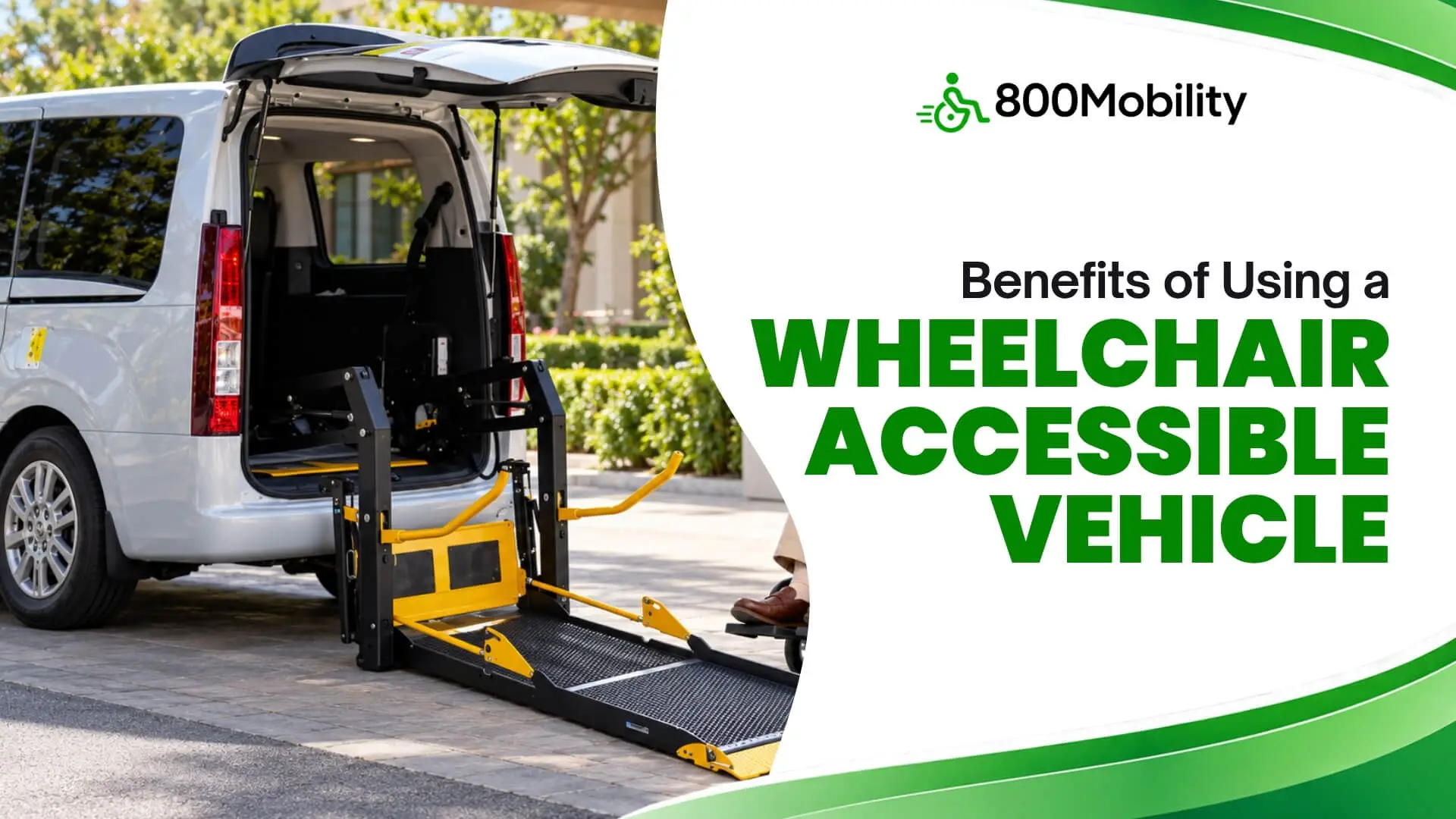
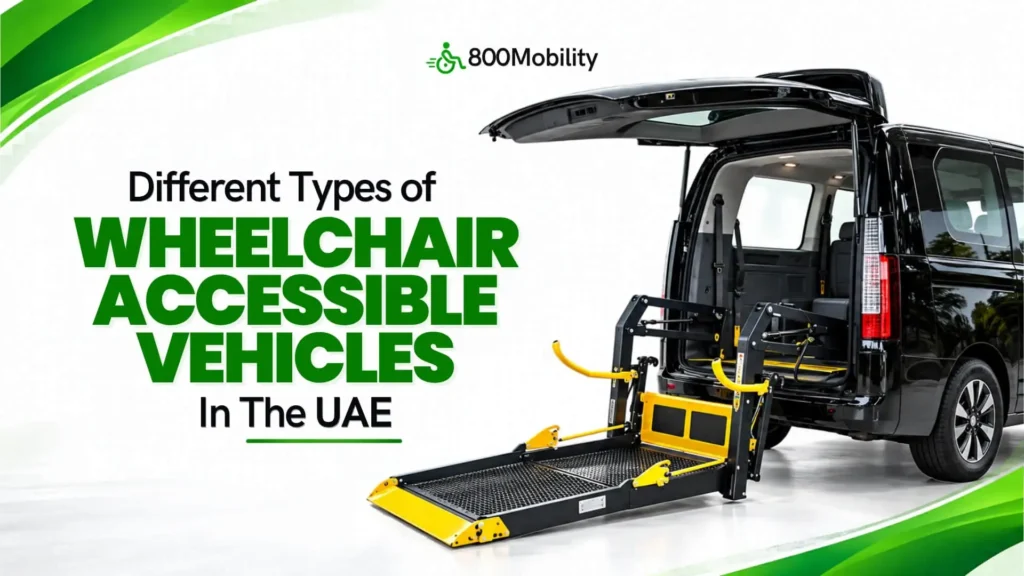
A wheelchair-accessible vehicle (WAV) is modified to help wheelchair users enter, exit, and travel safely and comfortably. Depending on the vehicle and the user’s needs, modifications may include lowered floors, wheelchair ramps, lifts, and securement systems.
Although smaller vehicles may be easier to modify, larger vehicles, including SUVs and trucks, may also be adapted to accommodate wheelchair users. The right choice depends on your mobility needs, travel requirements, available space, and whether you intend to drive or travel as a passenger.
What Makes a Vehicle Wheelchair Accessible?
A standard vehicle can be adapted to meet the needs of wheelchair users. Common modifications include ramps, wheelchair lifts, lowered floors, wider door openings, and securement systems. These features help improve access and provide sufficient space for wheelchair users to travel comfortably.
The required modifications depend on the vehicle’s make and model, the passenger’s mobility needs, and whether the wheelchair user will be driving or travelling as a passenger. Appropriate adaptations can make vehicle access easier and support greater independence.
Types of Wheelchair-Accessible Vehicles
Cars, vans, SUVs, and some trucks may be adapted for wheelchair accessibility. Each vehicle type offers different advantages, depending on the available space, intended use, and modifications required.
Wheelchair-Accessible Vans
Vans are a popular option for wheelchair transportation because their spacious interiors can accommodate wheelchair users, passengers, and caregivers. Depending on the model and conversion, they may feature wide door openings, lowered floors, ramps, or wheelchair lifts.
Wheelchair-accessible vans can suit individuals, families, and caregivers who need a practical option for everyday journeys, family outings, and assisted transportation.
Wheelchair-Accessible SUVs
SUVs may also be suitable for wheelchair users, provided they have enough interior space and can accommodate the necessary modifications. Models such as the Chevrolet Suburban and GMC Yukon XL offer relatively spacious interiors, although their suitability depends on the specific configuration.
Before choosing an SUV, consider the wheelchair’s dimensions, entry and exit arrangements, available passenger space, and the feasibility of installing the required accessibility equipment.
Wheelchair-Accessible Trucks
Some trucks can be adapted to accommodate wheelchair users, but their suitability depends on the vehicle’s design and the modifications required. The adaptations will differ depending on whether the wheelchair user will drive or travel as a passenger.
Important considerations include cabin space, access to the seating area, wheelchair storage or securement, and compatibility with suitable accessibility equipment. Not every truck can accommodate every type of wheelchair modification, so a professional assessment is recommended.
Common Wheelchair-Accessible Vehicle Adaptations
Wheelchair-accessible vehicle modifications may include ramps, lifts, lowered floors, securement systems, adapted seating, and specialised driving controls. The appropriate combination depends on the user’s mobility requirements and the vehicle’s design.
Wheelchair Ramps and Lifts
Wheelchair ramps and lifts help wheelchair users enter and exit vehicles more easily. Ramps provide an inclined access route, while lifts raise and lower the wheelchair between ground level and the vehicle’s entrance.
These systems may be installed during a vehicle conversion or retrofitted to a compatible vehicle. At 800 Mobility, we provide and install mobility solutions to help meet individual accessibility needs, subject to vehicle compatibility and assessment.
Lowered Floors and Wider Door Openings
Lowered floors can increase interior headroom and create a more suitable entry angle for wheelchair users. Wider door openings can also make entering and exiting the vehicle easier.
The feasibility of these modifications depends on the vehicle’s design and structural requirements. Vehicle accessibility modifications in the UAE should be assessed for suitability and compliance with applicable local requirements.
Wheelchair Tie-Downs and Securement Systems
When a wheelchair user remains seated in their wheelchair during travel, an appropriate securement system helps keep the wheelchair in position. Common options include manual tie-down straps and compatible docking systems.
The selected system should be suitable for the wheelchair and vehicle. Proper installation and use are essential for secure positioning during travel.
Hand Controls and Driving Adaptations
Driving adaptations can help people with limited lower-body mobility operate a vehicle. Hand controls allow certain driving functions, such as acceleration and braking, to be operated by hand rather than by foot.
Other adaptations may include a left-foot accelerator for drivers who cannot comfortably use a conventional right-foot accelerator. The appropriate equipment depends on the driver’s abilities, vehicle configuration, and safety requirements. Professional assessment and installation are important to ensure the controls are suitable.
Seating Adaptations
Swivel seats can make transferring into and out of a vehicle easier by rotating towards the door. Depending on the design, they may operate manually or electrically.
Additional transfer aids, such as grab handles, can provide support during transfers. Seat positioning and headrest adjustment should also be considered to help maintain a comfortable and appropriate seating position.
Spacious Interior
Adequate interior space is essential when choosing a wheelchair-accessible vehicle. The vehicle should provide enough room for the wheelchair user, the wheelchair itself, and any accompanying passengers or caregivers.
Before making a decision, compare the wheelchair’s dimensions with the vehicle’s available space. Consider headroom, doorway clearance, turning space where applicable, and the room needed for safe entry, exit, and securement.
Why Choose 800 Mobility for Wheelchair-Accessible Vehicles?
Choosing a wheelchair-accessible vehicle in the UAE starts with understanding your mobility needs, preferred vehicle type, and travel requirements. The right accessibility equipment can make everyday journeys more convenient and help support greater independence.
800 Mobility can help you explore suitable mobility solutions and accessibility adaptations based on your requirements. With guidance on equipment selection, professional installation, and after-sales support, you can make a more informed decision about improving vehicle accessibility.