Healthcare professionals may prescribe oxygen therapy to people who have low blood oxygen levels due to certain medical conditions. Conditions such as chronic obstructive pulmonary disease (COPD), emphysema, pulmonary fibrosis, and some cases of pneumonia may require supplemental oxygen. Oxygen therapy can help improve oxygen levels and relieve symptoms associated with low blood oxygen when prescribed by a healthcare professional.
Two commonly used oxygen delivery systems are oxygen concentrators and oxygen cylinders. Although both provide supplemental oxygen, they differ in how they supply oxygen, their portability, maintenance requirements, and ongoing costs. Understanding these differences can help patients and caregivers make informed decisions with guidance from a healthcare professional.
How Does an Oxygen Concentrator Work?
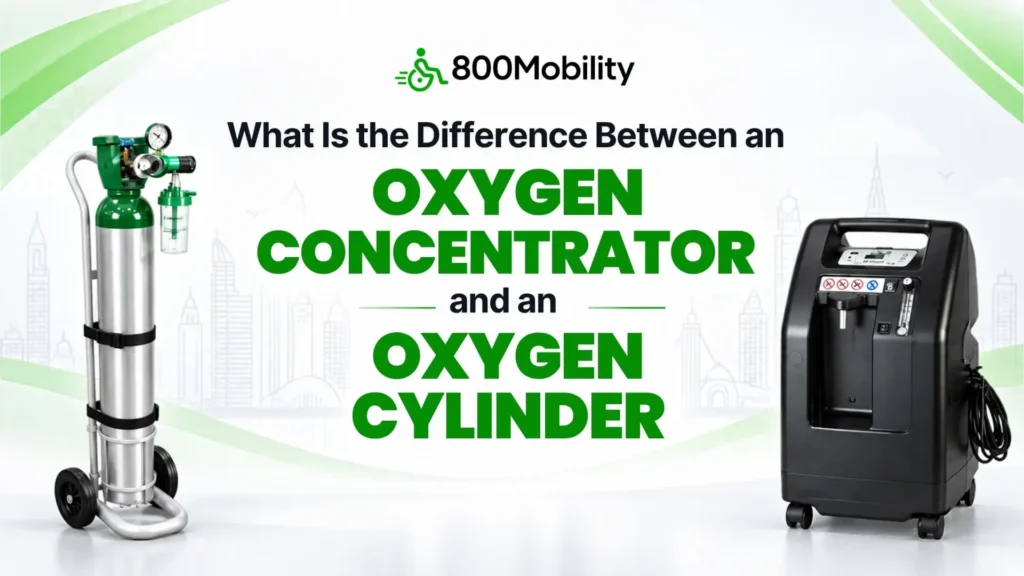
An oxygen concentrator draws in surrounding air and removes most of its nitrogen to produce oxygen-enriched air. It delivers this oxygen through a nasal cannula or mask, depending on the prescribed setup.
Many standard oxygen concentrators deliver oxygen at a concentration of approximately 90–95%, although the exact concentration depends on the device and its operating conditions. Unlike oxygen cylinders, concentrators do not store a fixed supply of oxygen. They produce oxygen while powered and functioning correctly.
What Is an Oxygen Cylinder and How Does It Work?
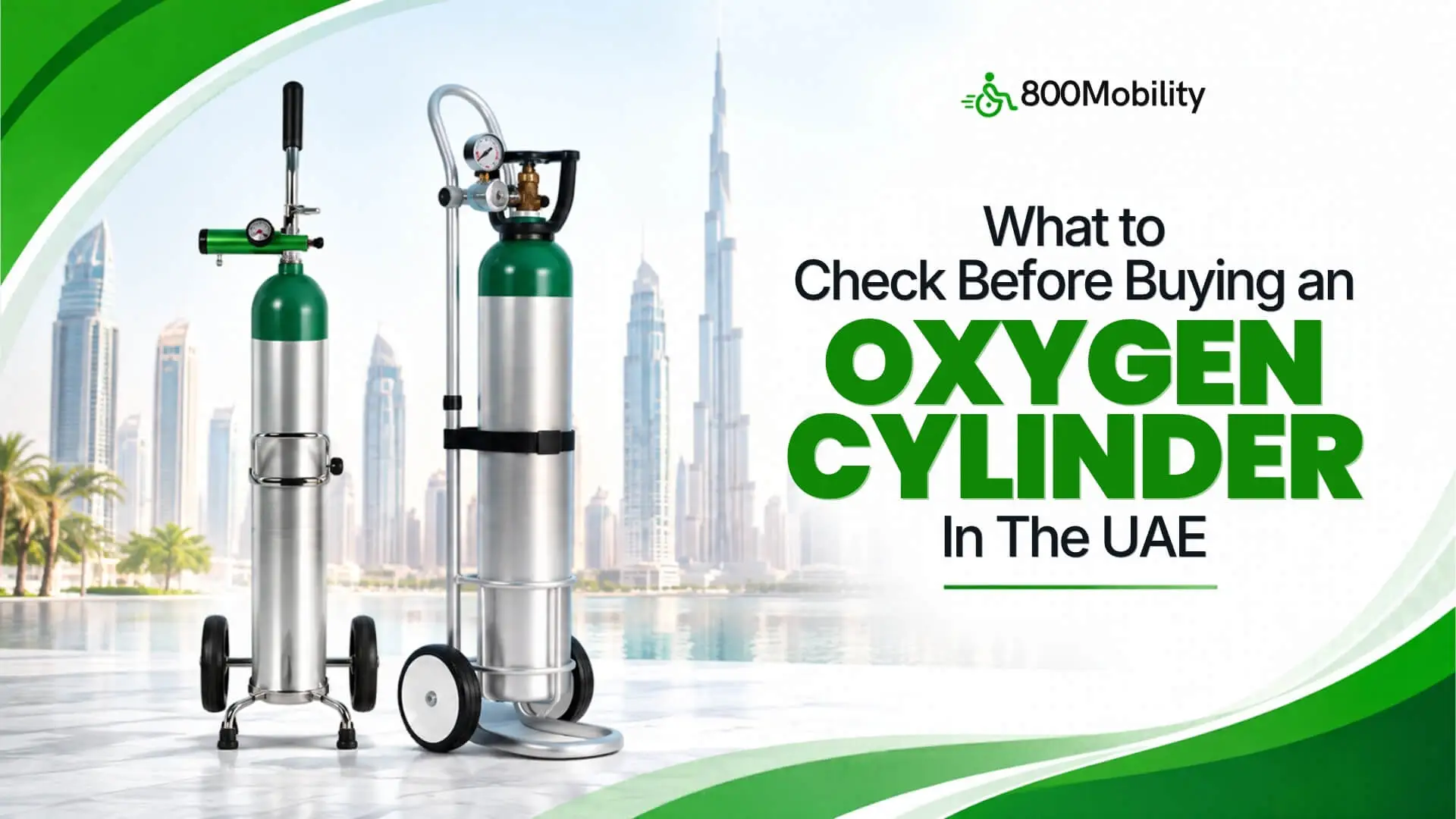
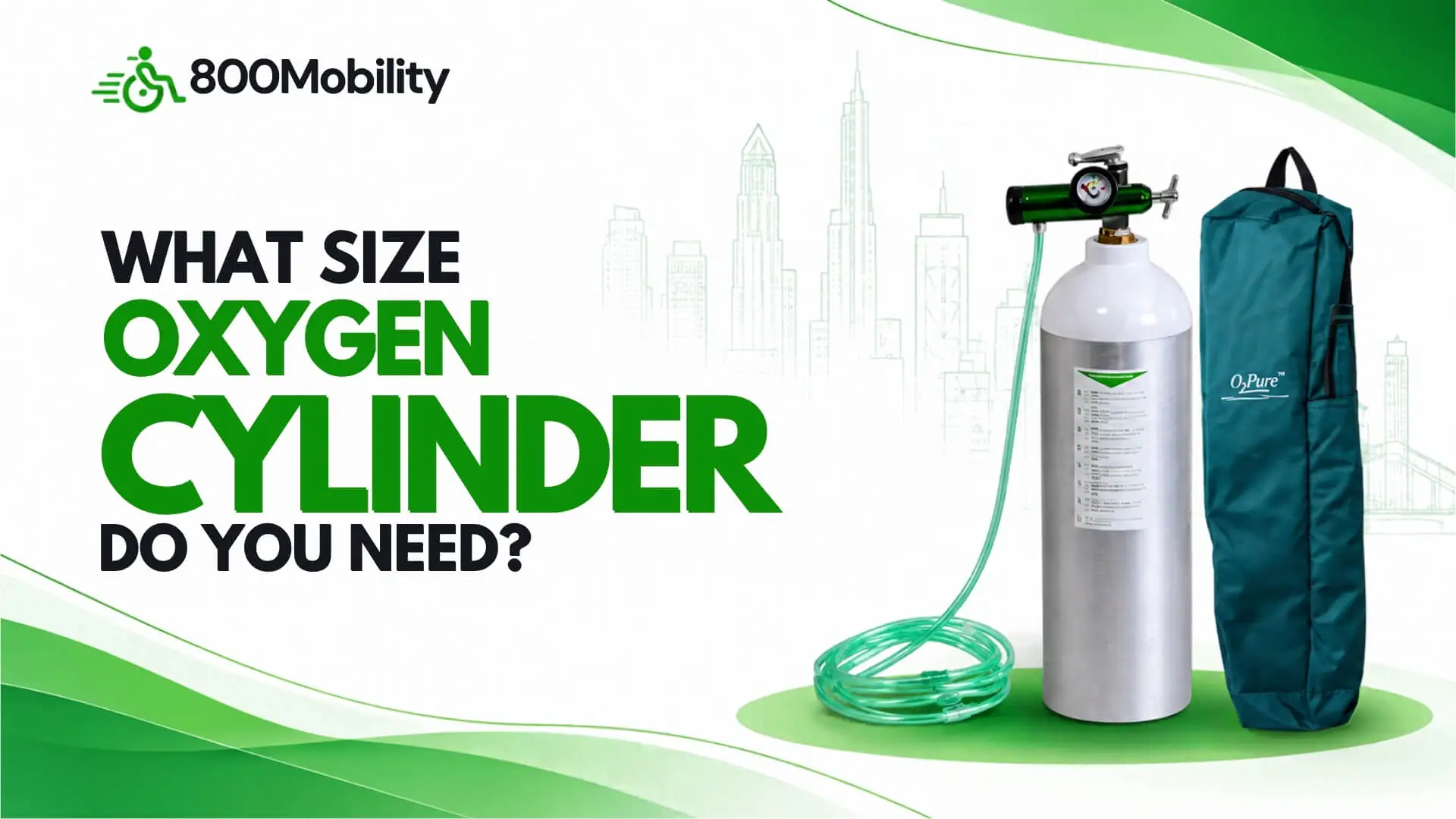
An oxygen cylinder is a pressurised container that stores medical oxygen. A regulator controls the flow of oxygen from the cylinder to the patient through a nasal cannula or mask, according to the prescribed settings.
Because an oxygen cylinder holds a finite amount of oxygen, its operating time depends on its capacity and the prescribed flow rate. Once the oxygen supply is depleted, the cylinder must be refilled or replaced.
Oxygen Concentrator vs Oxygen Cylinder: Key Differences
Both oxygen concentrators and oxygen cylinders can provide supplemental oxygen when prescribed. However, their operating methods and practical requirements differ.
| Feature | Oxygen Concentrator | Oxygen Cylinder |
| Oxygen source | Concentrates oxygen from surrounding air. | Stores compressed medical oxygen. |
| Oxygen supply | Produces oxygen while powered and functioning correctly. | Provides oxygen until the stored supply is depleted. |
| Electricity | Standard electric models require power; some portable models operate on batteries. | Does not require electricity to deliver oxygen. |
| Refilling | Does not require oxygen refills. | Requires refilling or replacement when depleted. |
| Portability | Depends on the model, weight, battery life, and oxygen delivery mode. | Depends on cylinder size, weight, and remaining oxygen. |
| Maintenance | Requires filter care, routine servicing, and repairs when needed. | Requires appropriate regulator maintenance and cylinder inspections. |
| Ongoing costs | May include electricity, servicing, replacement filters, and repairs. | May include refilling, delivery, and related service charges. |
| Backup needs | An alternative oxygen source may be necessary during a power failure or device malfunction. | A replacement or refilled cylinder is needed when the oxygen supply runs out. |
Which Is More Suitable for Home Use and Daily Mobility?
The most suitable oxygen delivery system depends on the patient’s prescription, daily routine, mobility needs, and access to a reliable power supply.
Stationary Oxygen Concentrators for Home Use
A stationary oxygen concentrator is commonly used at home when a patient requires regular or extended oxygen therapy. It draws in surrounding air and produces oxygen-enriched air while connected to a suitable power source.
These devices can provide oxygen for extended periods without cylinder refills, provided they are functioning correctly and have a reliable power supply. However, they require space, electricity, and routine maintenance, and they may produce some operating noise.
Portable Oxygen Concentrators for Travel and Mobility
A portable oxygen concentrator may be suitable for people who need supplemental oxygen while attending medical appointments, travelling, or participating in daily activities. Many models use rechargeable batteries, but battery life varies according to the device, settings, and usage.
Before choosing a portable model, check its weight, battery runtime, and oxygen delivery capabilities. Some models provide pulse-dose delivery, while others offer continuous flow. These modes are not interchangeable for every patient, so the device must meet the prescribed oxygen requirements.
Oxygen cylinders may also be used during travel, depending on the patient’s needs and the cylinder’s capacity. The available oxygen supply, cylinder weight, and prescribed flow rate determine how long the cylinder can be used.
Oxygen Concentrator vs Oxygen Cylinder: Cost and Maintenance Considerations
The overall cost of an oxygen concentrator or oxygen cylinder depends on the equipment selected, the patient’s oxygen requirements, and the duration of use.
An oxygen concentrator may involve ongoing expenses for electricity, routine servicing, filter replacement, and repairs. Although it does not require oxygen refills, it needs a reliable power supply and appropriate maintenance.
An oxygen cylinder may involve recurring costs for refilling, delivery, replacement, and related services. Its usage duration depends on the cylinder’s capacity and the prescribed oxygen flow rate.
In the UAE, compare the total cost of ownership rather than the initial purchase price alone. Before choosing a system, check local availability of medical oxygen supplies, qualified servicing, replacement parts, and backup equipment. Contact suppliers directly for current prices and service options.
Can You Use an Oxygen Concentrator and Oxygen Cylinder Together?
An oxygen cylinder can serve as a backup for someone who normally uses an oxygen concentrator, particularly if the concentrator stops working or the power supply fails. This backup can be important for patients who depend on uninterrupted supplemental oxygen.
If oxygen therapy must continue during a power outage or device malfunction, the patient or caregiver should have an appropriate backup plan. The backup cylinder must contain sufficient oxygen for the anticipated need, and the user should know how to access and operate it safely.
Always follow the treating healthcare professional’s instructions when switching between oxygen delivery systems. Concentrators and cylinders may differ in their available flow settings and delivery methods, so they should not be assumed to provide identical oxygen delivery.
What Should You Consider Before Choosing an Oxygen Supply System?
Choosing an oxygen delivery system requires careful consideration of the patient’s medical needs and daily routine. Discuss the following factors with a healthcare professional before making a decision:
- Prescribed oxygen requirements: Consider the required flow rate, oxygen concentration, duration of use, and delivery method.
- Continuous or pulse-dose delivery: Confirm which delivery mode is appropriate for the patient and whether the selected device supports it.
- Home and travel requirements: Consider whether oxygen is needed mainly at home, during outings, or in both settings.
- Power availability: Determine whether a concentrator can be operated reliably and whether battery power or an alternative oxygen source is needed.
- Backup arrangements: Plan for power failures, equipment malfunctions, and situations in which the primary oxygen supply becomes unavailable.
- Portability and ease of use: Assess the equipment’s weight, size, operating requirements, and suitability for the patient’s daily activities.
- Maintenance and supply access: Check the availability of servicing, replacement parts, medical oxygen refills, and technical support.
- Professional guidance: Consult the treating healthcare professional to ensure the selected system meets the patient’s prescribed oxygen requirements.
Considering these factors can help patients and caregivers choose an appropriate oxygen delivery system for safe and practical use.
Conclusion: Understanding the Difference Between Oxygen Concentrators and Cylinders
The main difference between an oxygen concentrator and an oxygen cylinder is how each supplies oxygen. An oxygen concentrator produces oxygen-enriched air from the surrounding environment while it is powered and functioning correctly. An oxygen cylinder stores compressed medical oxygen and supplies it until the stored oxygen is depleted.
Both systems have advantages and limitations. Concentrators can reduce the need for oxygen refills, while cylinders provide a stored oxygen supply without requiring electricity for oxygen delivery. Portability, operating costs, maintenance, and backup requirements are important considerations when choosing between them.
At 800 Mobility, we support customers across the UAE in exploring medical and mobility equipment options. Our team can help you learn more about available oxygen supply equipment and relevant support services. Consult your healthcare professional to determine which oxygen delivery system is appropriate for your needs.